
Study and research
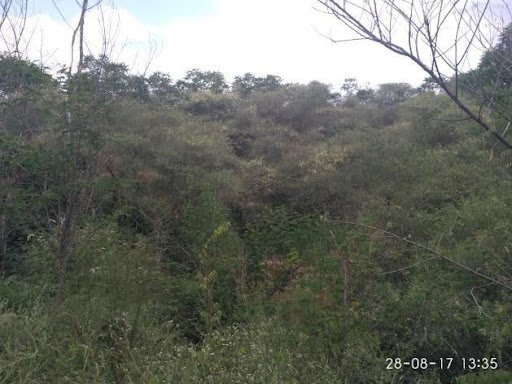
GBS conducted an in-depth research on the process of desertification in the Aravalli ranges in district Jaipur — examining ecological decline, biodiversity loss, and the human factors driving environmental degradation over the past several decades.
20–50Years of historical data studied
5+
Threatened plant categories
5Causes of extinction identified
4Research methodology steps
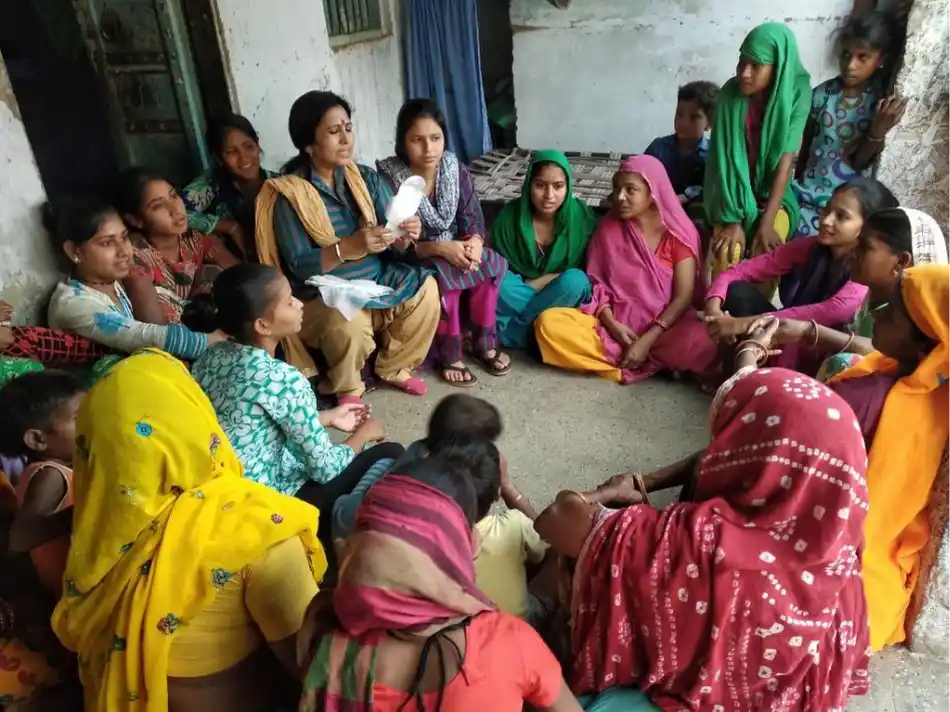
Key aspects of the research
The research covered six key aspects to understand the historical ecological context and the current state of degradation in the Aravalli ranges.
- Existence of forest, wild animals and birds 20 to 50 years before in the area
- Demographic statistics of that period
- Source of livelihood at that time
- Cultivation and animal husbandry practices
- Process of deforestation over the decades
- Endangered species of animals and plants
Key Findings
- Threatened plants from sandy habitats
- Plants of gravel habitat threatened in the Thar Desert
- Endangered bird species documented
- Rare animal species identified
- Severely endangered animal species recorded
Causes of Extinction
- Loss of natural habitat
- Impact of global warming and climate change
- Hunting for meat, skin, nails and organs
- Inadequate legal protection measures
- Low community awareness about biodiversity
Research methodology
The following methodology was adopted to ensure comprehensive, evidence-based findings from the field.
- Survey and study on all research topics
- Data collection and analysis
- Feedback from key stakeholders on findings
- Final report preparation and submission