
COVID Relief
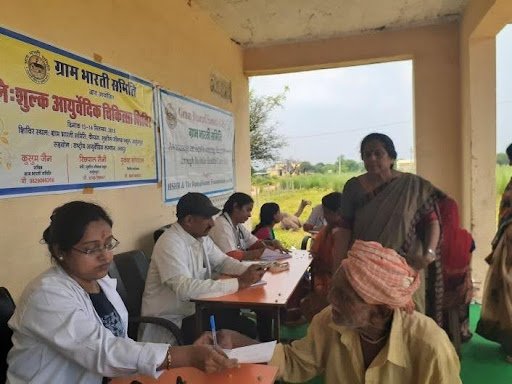
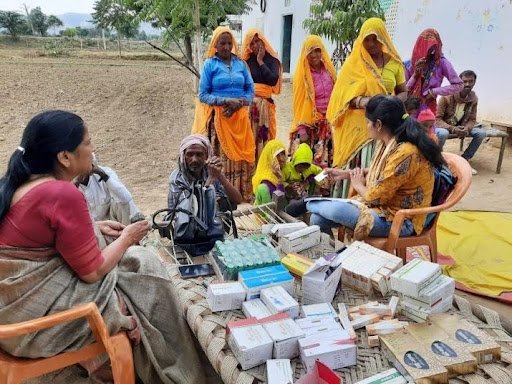
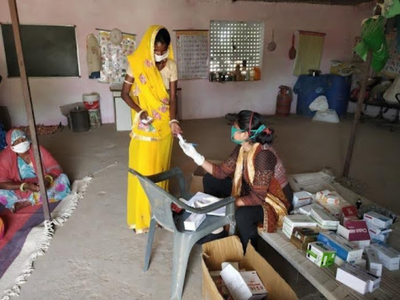
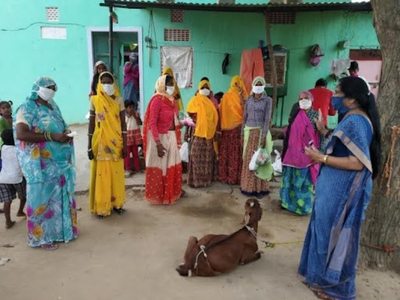
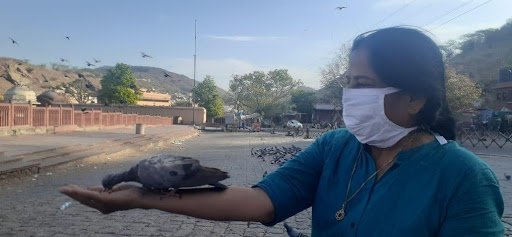
When the pandemic brought the world to a standstill, GBS volunteers were already on their feet. From the very first day of the lockdown on 24 March 2020, a dedicated team of GBS workers and youth volunteers mobilised across Rajasthan — cooking food, distributing masks, feeding birds, and making sure that the most vulnerable families did not go hungry or unprotected during one of the most difficult crises in living memory.
No waiting. No hesitation. Just action — every single day.
On the ground from day one
The moment the lockdown was announced, GBS swung into action. Volunteers fanned out across the villages of Amber and Jamwaramgarh in district Jaipur — identifying the poorest families, migrant workers stranded without income, and slum dwellers with no means to feed themselves. Every day, without fail, food packets were prepared and distributed — twice a day, to hundreds of families. Alongside the food distribution, GBS began producing low-cost, washable masks following WHO guidelines — making them accessible to communities who could not afford commercial options and ensuring that protection from the virus was within everyone's reach. Nearly 1,000 food packets were distributed every single day — reaching poor families in villages, migrant workers with nowhere to go, and slum dwellers near Jal Mahal. GBS made sure that during the darkest days of the pandemic, no one in their reach went to bed hungry.
Key Findings
- Threatened plants from sandy habitats
- Thar Desert gravel habitat plants endangered
- Multiple bird species under threat
- Rare and severely endangered animal species documented
- Rapid loss of forest cover and green belts
Causes of Extinction
- Loss of natural habitat
- Impact of global warming and climate change
- Hunting for meat, skin, nails and organs
- Inadequate legal protection measures
- Low community awareness about biodiversity
Research on Desertification
GBS conducted in-depth research on the process of desertification in the Aravalli ranges in district Jaipur, examining ecological decline, biodiversity loss, and the human factors driving environmental degradation.
- Existence of forest, wild animals and birds 20–50 years before in the area
- Demographic statistics of that historical period
- Sources of livelihood at that time
- Cultivation and animal husbandry practices
- Process of deforestation over decades
- Endangered species of animals and plants